
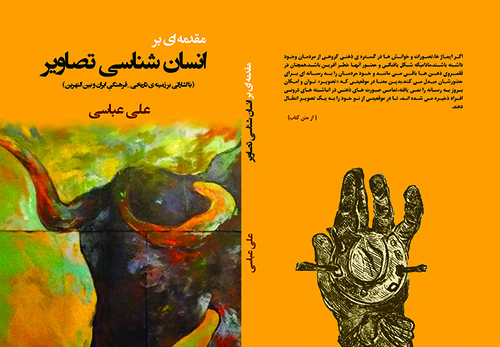
(2022) An Introduction to Anthropology of Pictures, Ali Abbasi Roudposhti, Bloor Publisher, Rasht, Iran.
This research was written between the years 2018 and 2020 and is the result of an enthusiasm for studying images related to cultural context. The beginning of this process was initiated by noticing the similarities in shape and meaning between images that were far from each other in terms of history and function. It can be considered that many images and symbols have found a way to reappear themselves along with historical changes and paradigm shifts as alterations in religion or effects of cultural paradigm shifts. For instance, some images that used to bear different meanings penetrated new semantic structures.
Anthropology of pictures Instead of the art history approach pays attention to the function and usage of visual works in public horizons.
In the middle seasons of this book, relying on the background of anthropological research, a branch was made to the use of images in the historical-cultural context of Iran and Mesopotamia. In these chapters, it has been tried to use written sources and pictures along with visual data from museums, books, and other oral sources.
It has been also tried to include evidence and direct observations in visual examples. From this perspective, the cultural understanding of the phenomena has been a priority, and the phenomena have been observed from an intra-cultural point of view without any moral assumptions regarding people’s beliefs.
Contents:
Foreword
1. Entrance
I- The background of some theoretical investigations in image study
II- The background of anthropological research of images in Iran
2. Anthropology of the image in the opinion of Hans Belting (what is the image and how does it work)
I- Phantasm
II- Media
III- Body
IV- The body as a place of mental images
V- Pictures in presence and absence
VI –Iconoclasm
3. Incarnation in the image based on Cassirer’s opinion (images based on death)
I- incarnation
II- incarnation of the dead
III- Incarnated bodies as secondary bodies
IV- Masks and final face of the deceased
V- Holy places (establishing a place for the dead and the unseen)
VI- The place of the grave and the social figure of the deceased person
VII- Images of the dead as a social figure
4- Images under the influence of myth (referring to the historical background of Iran and Mesopotamia)
I- The function of the image among early societies
II- Reconstruction and transformation of images in historical cycles
III- Ritual and magical objects and images
IV- Spells, eye wounds, and the magic of images
5- Ritual mourning and sacrifice for incarnated bodies (referring to the historical background of Iran and Mesopotamia)
I- The roots of mourning culture in Mesopotamia
II- Firoz as the resurrection return of the martyred god
III- Sacrifice of the king in Mir Nowruz ritual
IV- Rituals of sacrifice and mourning for the martyred god
V- Male sexual figures in fertility and burial rituals
6- Some historical transformations in nature of images (referring to the historical background of Iran and Mesopotamia)
I- The idea of the afterlife and the transformation of the nature of images
II- Transformation of the image from myth to history
III- Text vs. Image
IV- Against the image (Iconoclasm)
7- Pictures and places
I- Real places vs imaginary places
II- Environmental art and reflection on the surroundings
III- Image in the field of digital places
8- Body, image, and media
I- Pictures and marks on the body
II- Social media and displaying images of the body and face
III- The body as a medium
IV- Two mutual approaches in showing the image of physical suffering
V- Face and defacement (study on acid attacks against Iranian women)
VI- Cyberspace, cyber body
9- References